Domestic Violence Link to Autism: Key Points to Ponder
Supporting individuals with autism who have experienced domestic violence is crucial in helping them recover and rebuild their lives. This is because autism, a developmental disorder on a spectrum, affects people differently, and understanding and empathy towards the behavioral aspects of autism can significantly reduce the number of emotional meltdowns.
However, it's important to note that caregivers of individuals with autism may react with violence instead of appropriately handling situations. This is not warranted and can exacerbate the trauma experienced by the victim.
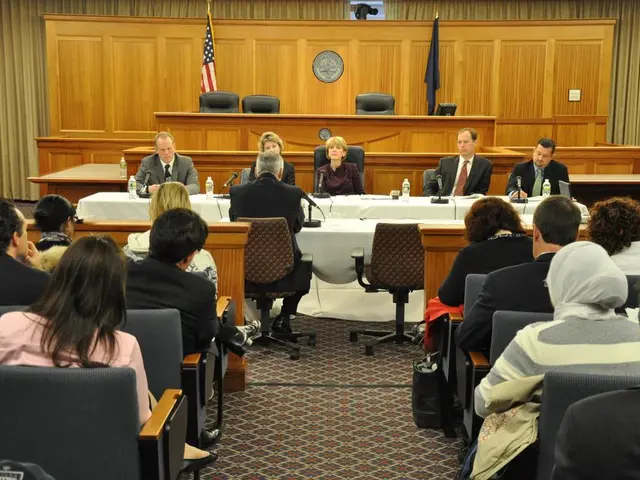
The legal system can be involved in cases of domestic violence involving individuals with autism. However, it's essential that the legal system adopts tailored services that address the specific communication, sensory, and cognitive needs of these victims.
Governments and legal systems can better support victims of domestic violence with autism by implementing the following key approaches:
- Specialized support programs that combine domestic violence advocacy with autism-specific services, such as autism assessments, behavioral interventions, and counseling adapted for neurodiverse individuals. Programs like the Domestic Abuse Project (DAP) in Minnesota offer free legal advocacy and autism-related services.
- Legal reforms and policies that promote prevention and early intervention for families, including those with neurodiverse members, and that encourage child-appropriate risk assessments and referrals to therapeutic supports rather than solely legal measures. This helps protect autistic victims, who might experience law enforcement interventions as traumatic.
- Accessible crisis and support hotlines operated with awareness of autism-related communication preferences, alongside culturally and neurodiversity-sensitive counseling and court support services.
- Enhanced accommodation and support services designed to meet the diverse needs of all victims, including those with autism, ensuring practical assistance and safe environments consider sensory sensitivities and other relevant needs.
By integrating autism-aware practices into domestic violence frameworks—including specialized training for legal professionals, tailored counseling approaches, and flexible support accommodations—governments and legal systems can better respond to and empower autistic survivors of domestic violence.
People with autism often have communication problems, making it difficult for them to ask for help or report domestic violence. Moreover, they may behave differently and not fit into social norms, which can lead others to react violently due to misunderstanding. Finding a counselor with the necessary experience to help individuals with autism can be challenging, but it's crucial in helping them understand and cope with their experiences.
Victims of domestic violence with autism may need someone to guide them or speak up for them. Many institutions offer training for caregivers on autism and navigating the world with individuals with autism. Removing the individual with autism from a situation causing emotional overwhelm is a better approach than retaliation.
People with special needs like autism are among the most vulnerable members of society, and anyone taking advantage of this vulnerability could face legal consequences. Domestic violence can leave emotional scars on individuals with autism that can follow them for the rest of their lives.
In light of these challenges, donations can support advocacy efforts for individuals with autism and domestic violence victims. It's important to remember that judgment should be reserved until one has all the information about a person with autism's diagnosis and specific circumstances. As Carl Jung stated, people often judge due to the complexity of situations, and this is particularly true for understanding autism. Calming down individuals with autism is a more effective approach than using violence.
- Science plays a significant role in understanding and addressing the unique challenges faced by individuals with autism in the workplace, particularly when it comes to workplace-wellness.
- Many medical conditions, including chronic diseases like cancer and respiratory conditions, can co-occur with autism, making it essential for healthcare providers to be aware of these connections.
- Digestive health and eye-health are common concerns for individuals with autism, necessitating specialized approaches in their management.
- Good hearing is crucial for communication and sensory processing in individuals with autism, and regular check-ups can help maintain hearing health.
- Health and wellness, fitness, and exercise are essential components of a balanced lifestyle for people with autism, as they help manage stress and improve overall health.
- Sexual health education and resources are essential for individuals with autism, given the unique challenges they may face in understanding and managing their sexuality.
- Autoimmune disorders can affect individuals with autism, causing a wide range of symptoms and requiring careful management and therapies-and-treatments.
- Climate change can exacerbate the symptoms of individuals with autism by altering routines and causing sensory overload, making it essential to address environmental concerns.
- Mental health is another critical concern for individuals with autism, and providing access to mental health services can help manage related conditions like anxiety and depression.
- Men's health is also an important consideration for individuals with autism, as they may face unique challenges in accessing necessary healthcare services.
- Skin care is essential for individuals with autism, as they may be more susceptible to skin conditions due to sensory sensitivities and certain medications.
- Cybersecurity practices are crucial for people with autism who may be more vulnerable to online scams or bullies due to their differences in social interaction.
- Lifestyle changes, such as adopting a healthy diet and regular exercise, can improve the quality of life for individuals with autism, reducing chronic disease risk and enhancing overall well-being.
- Fashion and beauty can present challenges for individuals with autism due to sensory sensitivities and differences in personal style, making it essential to offer clothing, makeup, and accessories designed for neurodiverse individuals.
- Food and drink can also affect individuals with autism due to sensitivities to certain flavors, textures, or ingredients, necessitating specialized options.
- Investing in companies that prioritize health-and-wellness, particularly those focused on addressing the needs of individuals with autism and other special needs, can have a positive impact.
- Wealth management strategies can be tailored to meet the specific financial needs of families with members on the autism spectrum, providing a sense of financial security and stability.
- Home and garden projects can be designed to accommodate the unique needs of individuals with autism, such as sensory-reducing landscaping and adaptive home features.
- Businesses that prioritize accommodations for individuals with autism and other special needs can foster a more inclusive and supportive work environment, benefiting both employees and customers.
- Venture capital investors can support innovative solutions designed to improve the lives of individuals with autism, from developing assistive technologies to enhancing access to mental health services.
- Personal finance management tools can help families with members on the autism spectrum plan for future expenses, such as medical costs and potential therapies-and-treatments.
- Banking and insurance companies can offer products tailored to the needs of individuals with autism, including specialized savings accounts and insurance policies that cover autism-specific treatments.
- Fintech solutions can help individuals with autism manage their finances more effectively, providing tools to help track expenses, set financial goals, and make informed investment decisions.
- Real estate companies can help families with members on the autism spectrum find homes that meet their unique needs, such as properties with adaptive features or quiet, low-traffic neighborhoods.
- Stock market investments in companies prioritizing health-and-wellness, environmental sustainability, and accessibility can help support positive change for individuals with autism.
- Private equity firms can invest in companies working on groundbreaking therapies-and-treatments for autism and related conditions, helping drive progress in the field.
- Gadgets designed for individuals with autism can help improve communication, manage sensory stimuli, and enhance daily living.
- Data and cloud computing can help researchers analyze trends and develop more effective interventions for individuals with autism, particularly in the areas of early diagnosis and personalized treatment.
- Artificial intelligence can be used to develop assistive technologies, such as speech recognition systems and personalized learning tools, for individuals with autism.
- Long-term care options, such as those offered through Medicare, can provide essential support for individuals with autism, helping ensure their needs are met and their quality of life is maximized.